All systems go for Tuuli C
Arc's first electric tug boat enters sea trials and sets a course for Coast Guard approval.
Nov 18, 2026
After months of engineering, construction, and testing, Tuuli C has reached a major milestone.
The wait is over. Sea trials are under way for our first fully electric tug boat, marking an important step toward commercial operations in Southern California.
Built in partnership with Curtin Maritime and Snow & Company, Tuuli C is the first of eight electric tugs planned through our commercial program. Successful on-water testing and regulatory approval will mark a significant achievement for everyone involved—and an important moment for Arc's growing fleet of hard-working vessels.

Built for the toughest work on the water
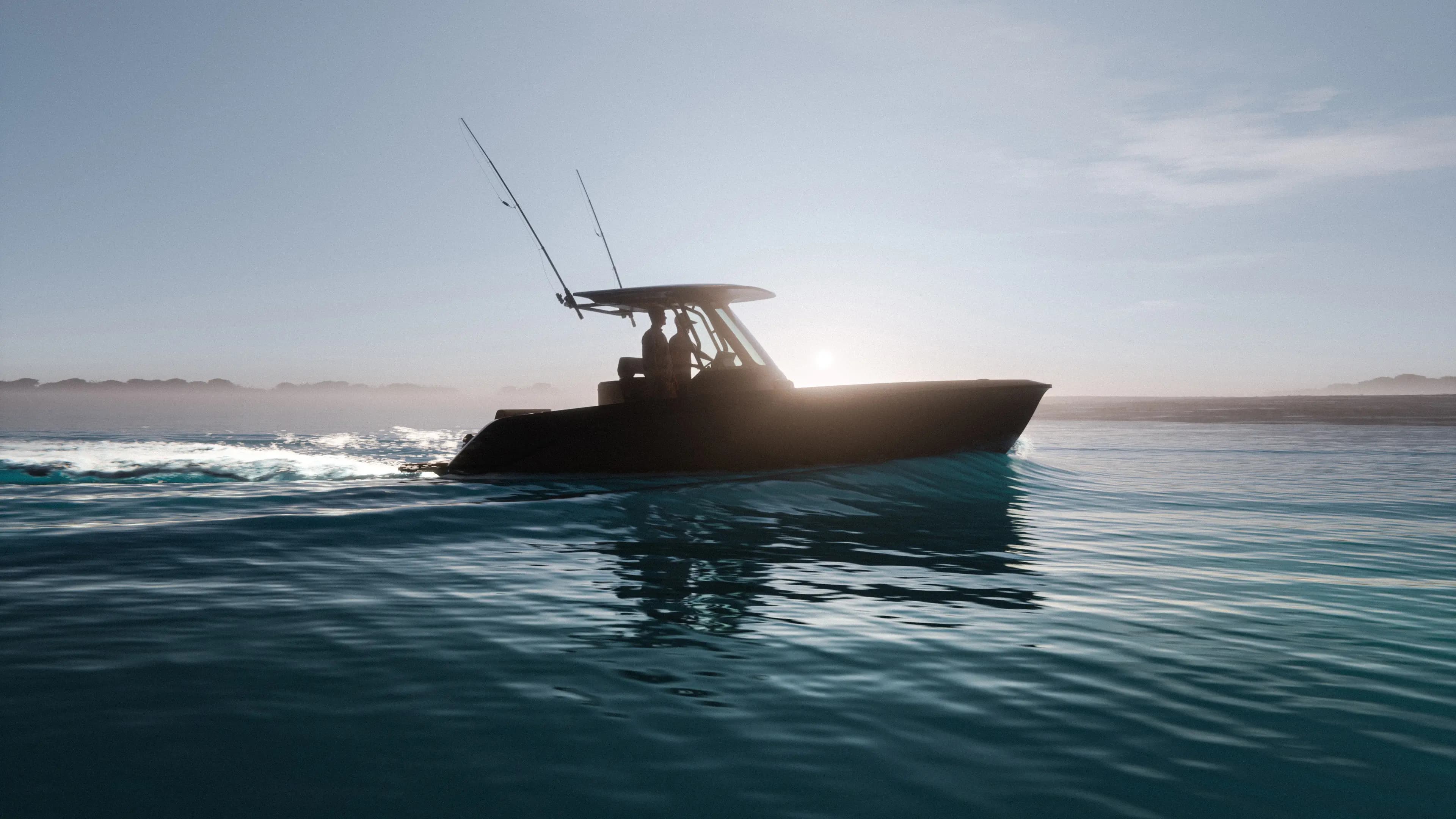
Tuuli C was designed with a specific job in mind: helping maneuver massive container ships through some of the busiest ports in North America.
With 4,000 horsepower, 55 tons of bollard pull, and a 6-megawatt-hour battery system, the electric tug brings serious strength and efficiency to the water. Plus, Tuuli C can operate for a full working shift on a single charge, with DC fast charging allowing operators to replenish the battery between shifts.
Tuuli C’s electric powertrain delivers instant torque and precise control during ship-assist operations, all while eliminating tailpipe emissions and reducing mechanical complexity compared with conventional diesel tugs.
For operators, that combination means less maintenance, lower operating costs, and more time to get the job done on the water. Not to mention, trading deafening engine noise for a surprisingly quiet boat ride.
“The biggest piece of feedback we’ve gotten is just that it is silent,” explains Max Queenan, Senior Manager of Commercial Systems at Arc. “Another is the responsiveness of the motors. You get this instant torque and you can throttle that and drive the tug in different ways than you previously could.”
From wake boat to workhorse
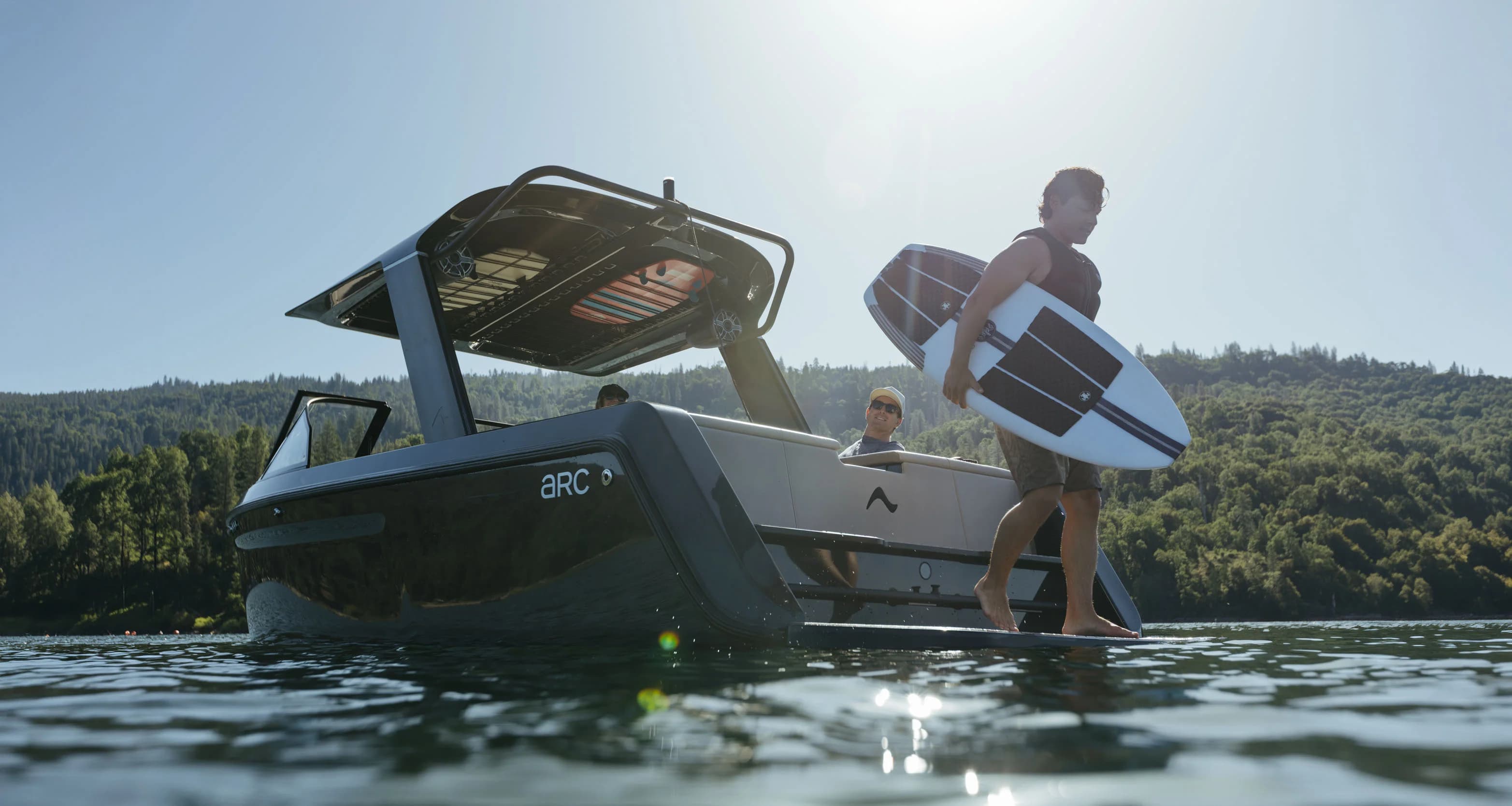
Tuuli C uses the same underlying powertrain technology developed for the Arc Sport, scaled and adapted for commercial use.
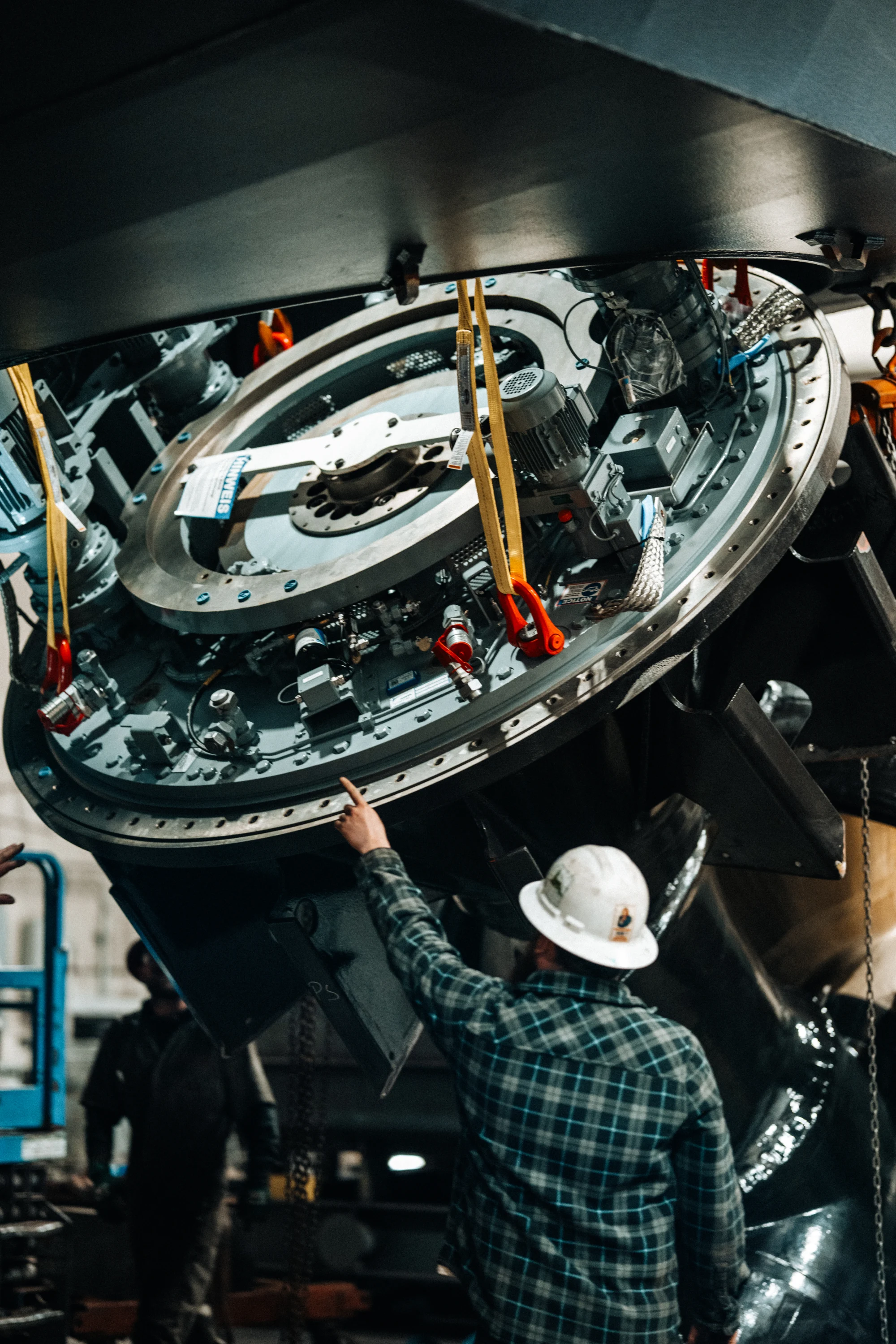
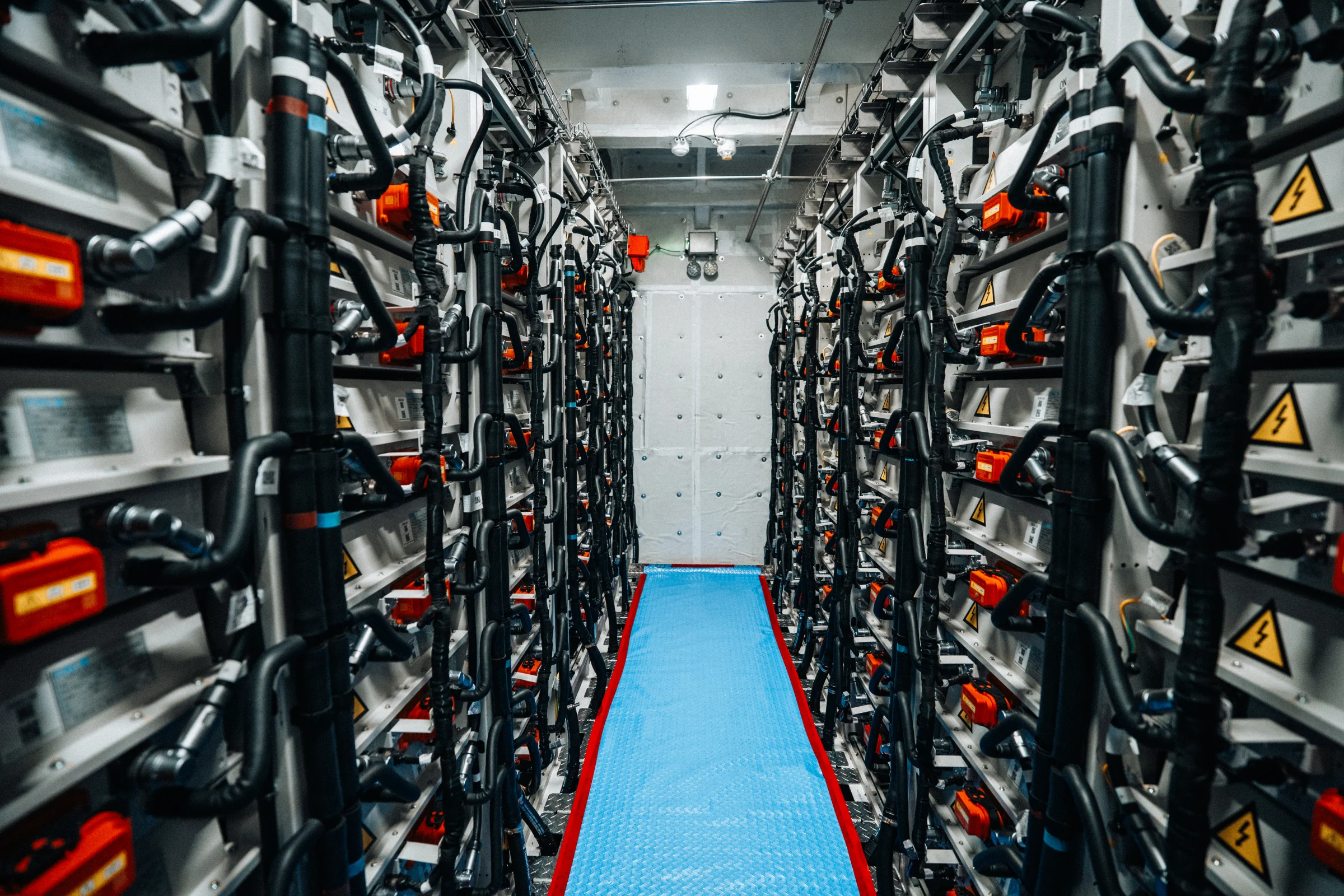
That includes 210 battery modules arranged across 30 racks, integrated power management systems, and software designed to coordinate the vessel's electric propulsion.
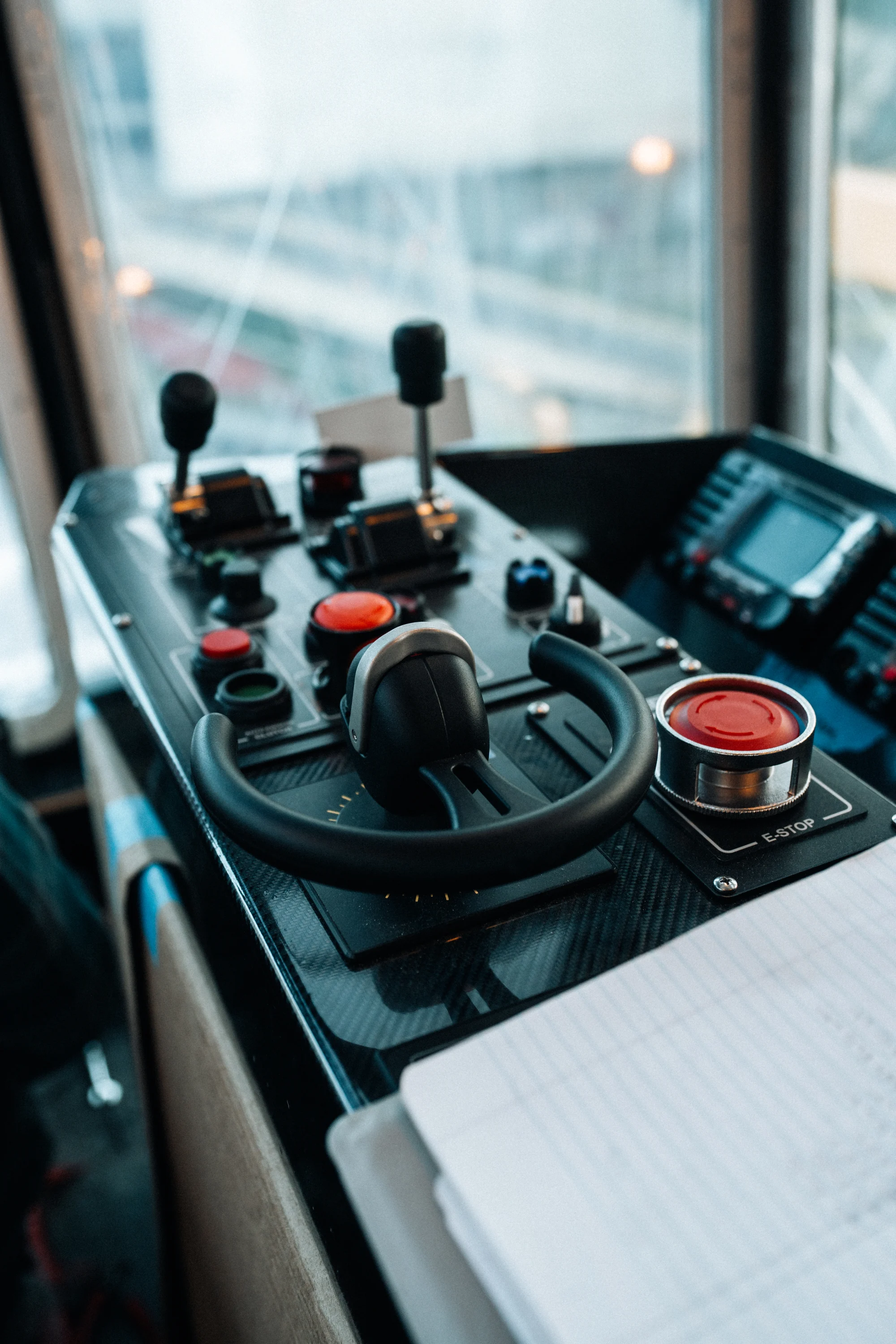
Even the wiring tells part of the story, as the boat's control system uses approximately 1,000 cables. To keep that number manageable, Arc engineers use digital networks that allow onboard systems to communicate with fewer physical connections.
“One of our key areas of expertise is the DC bus systems and battery systems,” adds Queenan. “We built this expertise on Arc Sport, and a lot of that transfers to the larger scale we’re working at in the commercial space.”
During sea trials in Seattle, Tuuli C's propulsion, controls, and integrated systems will be put to the test in real operating conditions, moving the vessel another step closer to her first commercial assignments in the Port of Long Beach and the Port of Los Angeles.

One down, more to come
With seven additional tugs planned alongside Curtin Maritime and Snow & Company, Tuuli C represents a first and significant step in bringing electric propulsion to commercial maritime operations.
For Arc, it's an opportunity to apply the technology we've developed to an entirely new breed of work boat, while continuing to refine how electric powertrains are designed, built, and deployed.
With sea trials complete and Coast Guard approval secured, years of engineering and collaboration will become a reality on the water.
Then comes the fun part: clocking in and putting our technology to work.
Learn more about Tuuli C at arcboats.com/tuuli.


